Hiththetiya Rajamaha Viharaya

Hiththetiya Rajamaha Viharaya Hiththetiya Rajamaha Viharaya Hiththetiya Rajamaha Viharaya
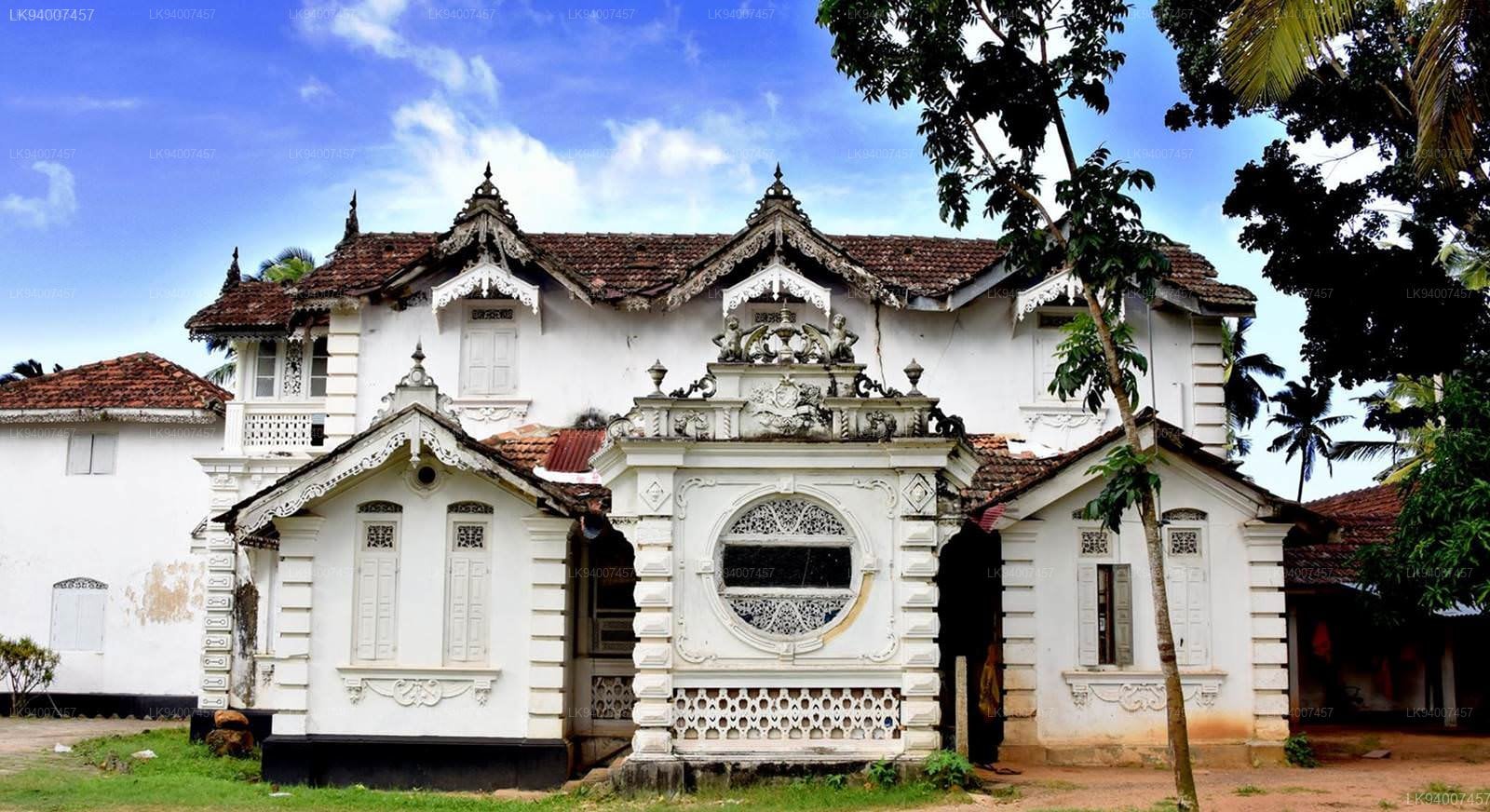
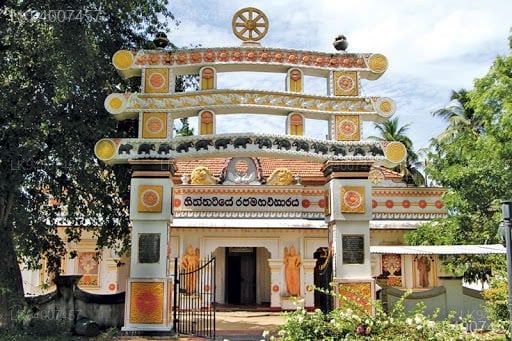
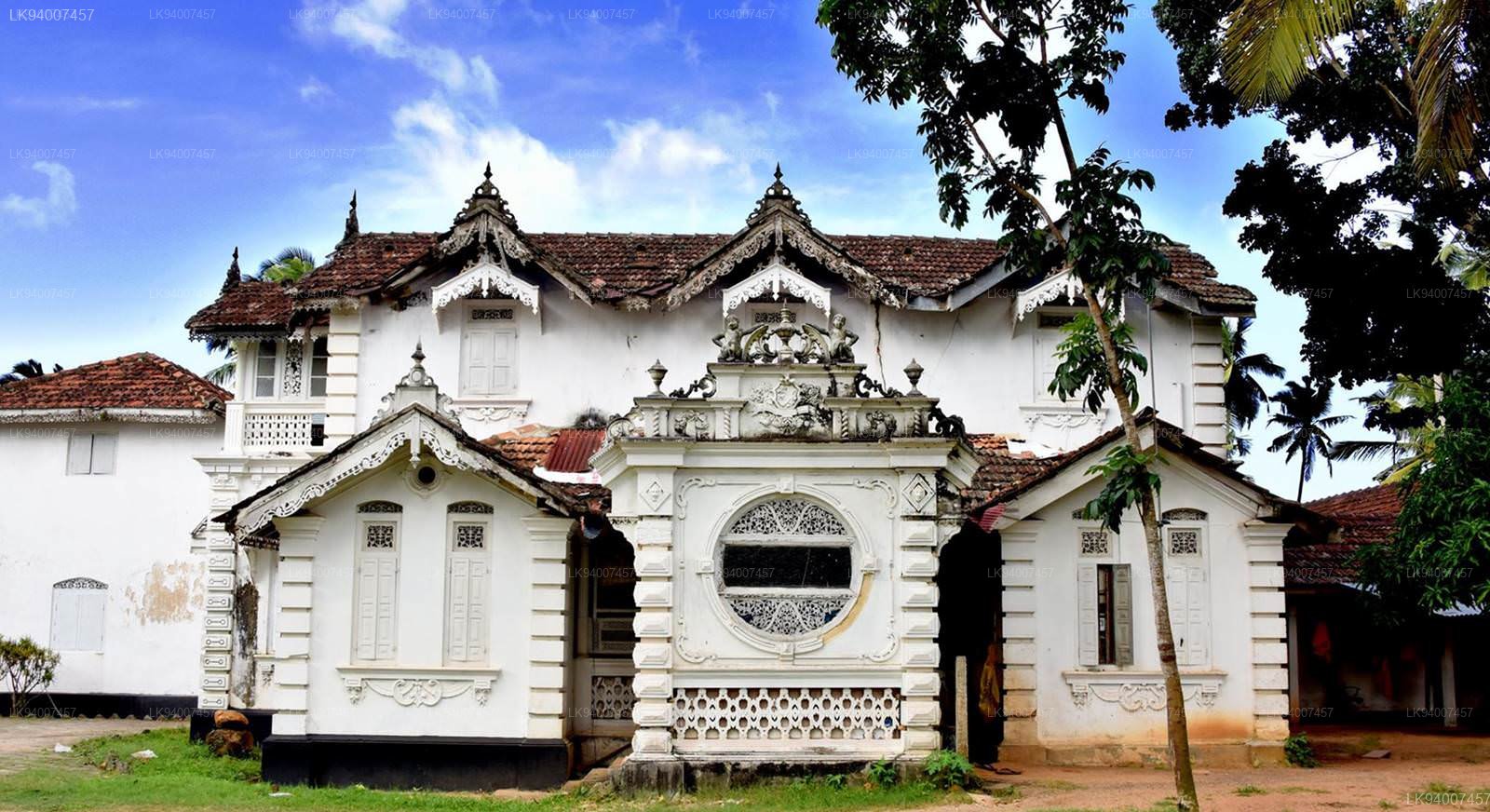
Matara Hiththatiya Rajamaha Viharaya is an ancient Temple lying very close to Matara town. The beginning of the temple is unknown, but the Bo Tree at the temple is believed to be over 1000 years old. This temple has been revived in the 18th century with the resurgence of Buddhist philosophy by Weliwita Sri Saranankara Sangaraja Thero (1698 – 1778). King Kirthi Sri Rajasinhe (1747 – 1781) has also promoted development of this temple and even today, a pair of large elephant tusks donated by the king can be found at the temple. One tusk is 7 feet in length and the other 5 feet.

The seated Buddha statue at the current image house has been salvaged from the Tampita Viharaya. This statue also known as the Sandun Pilimaya or the Sandalwood Statue is thought to be carved out of sandalwood and plastered with lime and then painted. This 3 1/2 feet tall statue with its Siraspatha is thought to be commissioned by either Weliwita Sri Saranankara Sangaraja Thero or by his student Welivitiye Sangarakkitha Thero.

In addition, an 18 riyan reclining Buddha statue flanked by Sariputta and Moggalana Theros can be seen in this image house. The current murals on the inner and outer wall of the image house has been done in 1862. The temple also owns a wooden Pirith Mandapaya built in 1842. The carvings on this structure is considered as an excellent example of the southern art form during the Kandyan era.


Hiththetiya Rajamaha Viharaya Hiththetiya Rajamaha Viharaya Hiththetiya Rajamaha Viharaya
?Text by Lakpura™. Images by Google, copyright(s) reserved by original authors.?

O dystrykcie Matara

Dystrykt Matara, położony w południowej prowincji Sri Lanki, słynie z piękna wybrzeża, bogatej historii i kwitnącej lokalnej kultury. Otoczony Oceanem Indyjskim, słynie z zachwycających plaż, takich jak Polhena i Mirissa, które są popularne wśród miłośników pływania i obserwacji wielorybów. Gospodarka dystryktu opiera się na rolnictwie, w szczególności uprawie kokosów i herbaty, a także na rybołówstwie. Zabytki, takie jak Fort Matara i latarnia morska Dondra Head, podkreślają kolonialną przeszłość regionu. Dzięki połączeniu atrakcji przyrodniczych i dziedzictwa kulturowego, dystrykt Matara jest atrakcyjnym miejscem zarówno dla mieszkańców, jak i turystów.

O prowincji południowej

Prowincja Południowa Sri Lanki to niewielki obszar geograficzny obejmujący dystrykty Galle, Matara i Hambantota. Rolnictwo i rybołówstwo stanowią główne źródło dochodu dla zdecydowanej większości mieszkańców tego regionu.

Do ważnych zabytków Prowincji Południowej należą rezerwaty przyrody w parkach narodowych Yala i Udawalawe, święte miasto Kataragama oraz starożytne miasta Tissamaharama, Kirinda i Galle. (Chociaż Galle jest starożytnym miastem, z okresu przed inwazją Portugalczyków nie przetrwało prawie nic). W okresie portugalskim działało dwóch słynnych syngaleskich poetów: Andare z Dickwella i Gajaman Nona z Denipitiya w dystrykcie Matara, którzy tworzyli poematy o zwykłym człowieku.