Świątynia Kataragama


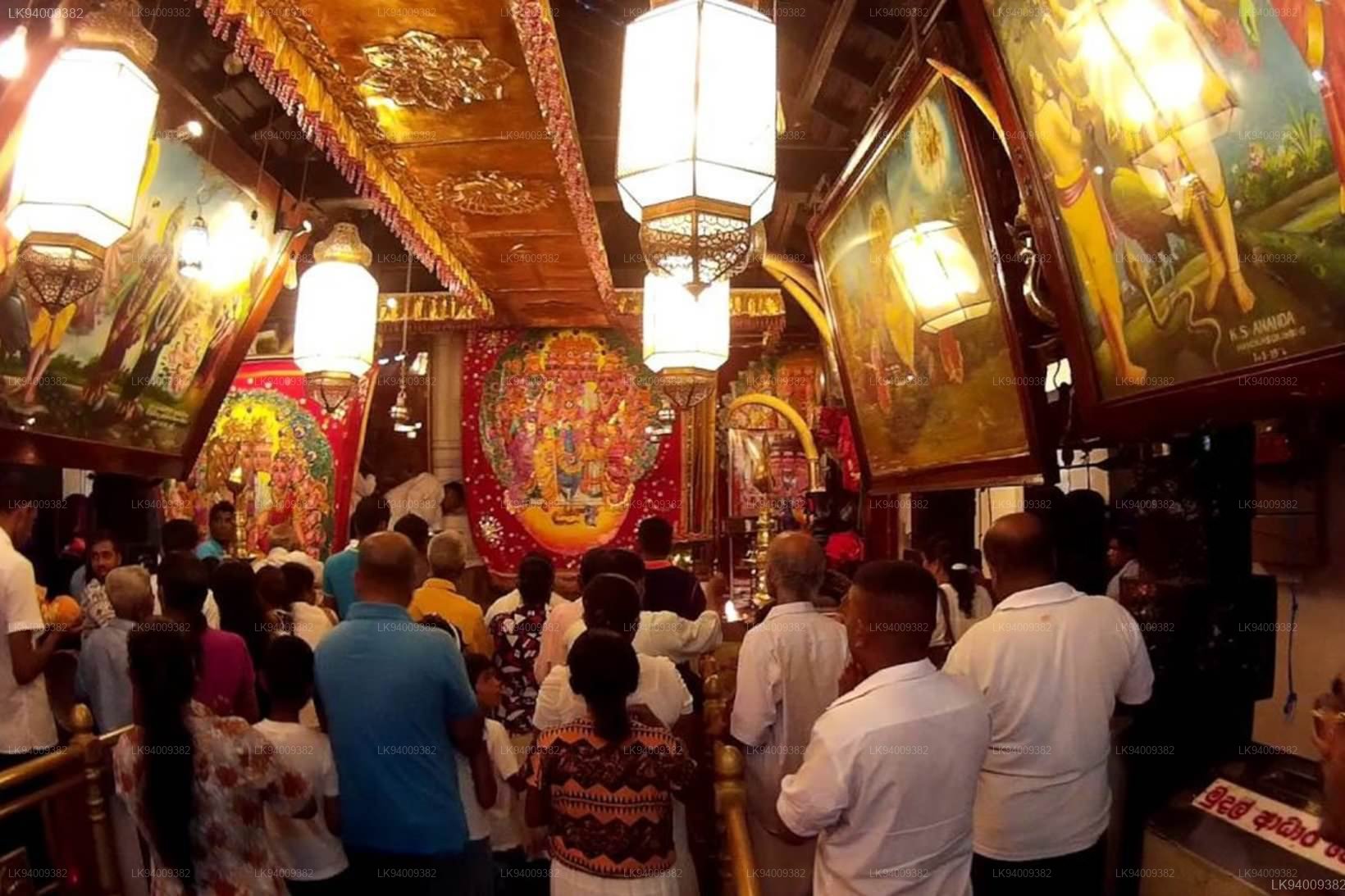
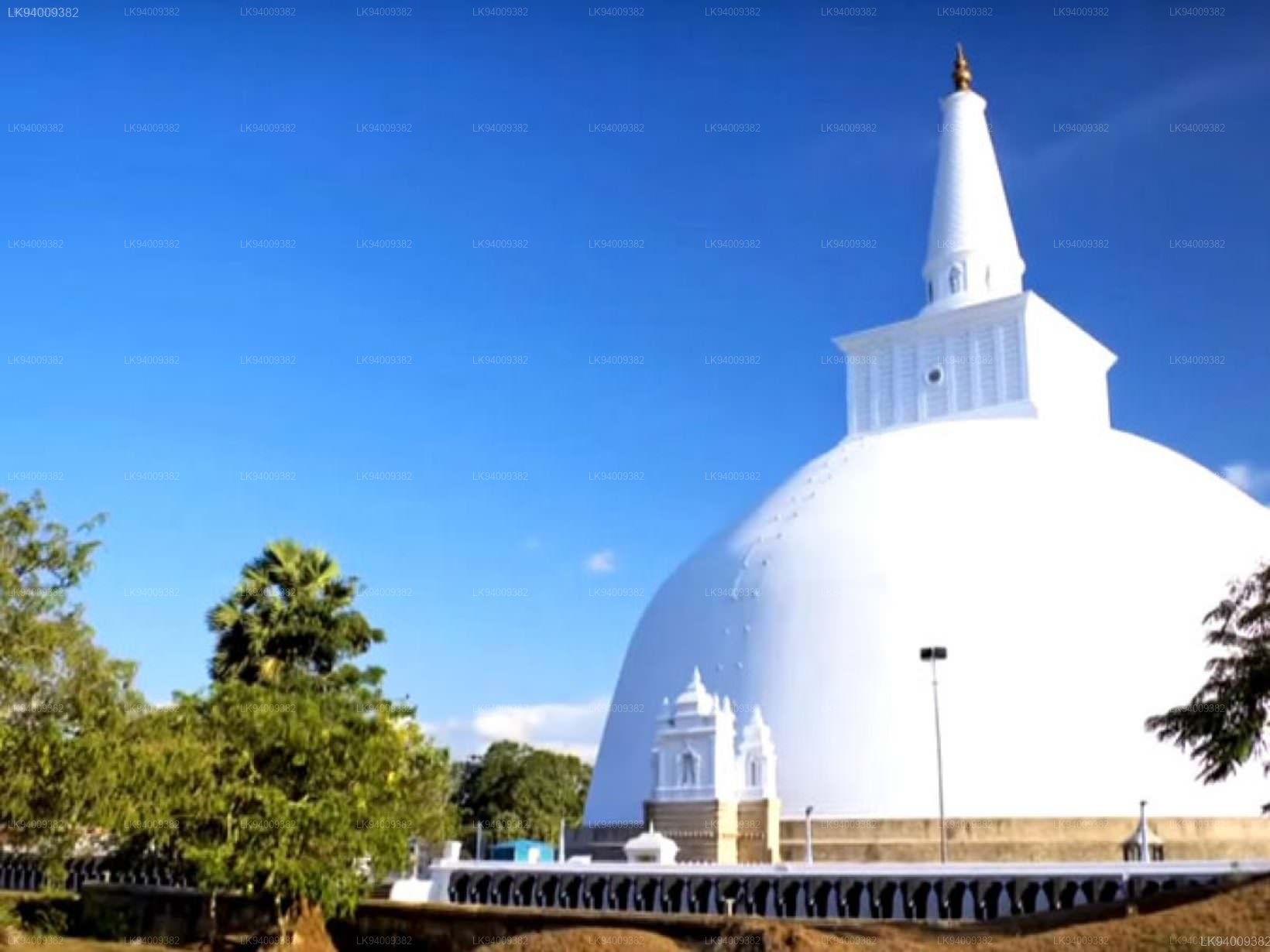
Świątynia Kataragama w Kataragama, Sri Lanka, to kompleks świątyń poświęcony buddyjskiemu bogu opiekuńczemu Kataragama deviyo oraz hinduskiemu bogowi wojny Muruganowi. Jest to jedno z nielicznych miejsc religijnych w Sri Lance, które jest czczone przez buddyjskich, hinduskich, muzułmańskich i wedańskich wiernych. Przez większą część ostatniego tysiąclecia była to świątynia w dżungli, do której trudno było dotrzeć; dzisiaj jest dostępna drogą, którą można przejechać przez cały rok. Świątynie i pobliski Kiri Vehera są zarządzane przez buddyjskich mnichów, świątynie poświęcone Teyva?ai i Shivie przez hindusów, a meczet przez muzułmanów.
Aż do lat 40. XX wieku większość pielgrzymów stanowili tamilski hindusi z Sri Lanki i południowych Indii, którzy podejmowali trudną wędrówkę pieszą, zwaną "padayatrą". Od tego czasu większość pielgrzymów stanowią buddyści singalscy, a kult Kataragama deviyo stał się najpopularniejszy wśród Lankijczyków singalskich. Istnieje wiele legend i mitów związanych z tym miejscem, które różnią się w zależności od religii, przynależności etnicznej i czasów. Te legendy zmieniają się wraz z rosnącą popularnością tej bogini wśród buddystów, ponieważ buddyjscy specjaliści rytualni i duchowieństwo próbują dostosować ją do buddyjskich idei o nieteizmie. Zmiana wyznawców spowodowała zmianę w sposobie adoracji i festiwali, które zmieniły się z hinduistycznej orientacji na taką, która uwzględnia buddyjskie rytuały i teologię.
Brak jednoznacznych zapisów historycznych i wynikające z tego mity i legendy przyczyniają się do konfliktu między buddyjskimi i hinduskimi wiernymi o własność i sposób adoracji w Kataragama.
Kapuralas, kapłani świątyni, uznawani są za potomków ludu Weddów. Weddowie także roszczą sobie prawa do świątyni, pobliskiego szczytu góry i okolicznych terenów, powołując się na liczne legendy. W pobliżu znajduje się meczet oraz groby muzułmańskich świętych mężczyzn, którzy tam zostali pochowani. Tempelkompleks jest również powiązany z innymi podobnymi świątyniami w Wschodniej Prowincji, które są poświęcone Muruganowi i znajdują się na trasie pielgrzymkowej z Jaffna na północy do Kataragama na południu wyspy. Arunagirinathar odbył tę pielgrzymkę w XV wieku. W pobliżu kompleksu świątynnego praktykowane są również tajemnicze rytuały czarów i klątw, które są charakterystyczne dla Sri Lanki. Cały kompleks świątynny został ogłoszony miejscem świętym przez rząd Sri Lanki w latach 50. XX wieku, a od tego czasu polityczni liderzy przyczynili się do jego konserwacji i utrzymania.